Home > Masks & mattes (part 1)

Luisa Winters

Instructor and consultant for Adobe products

linkedin-icon

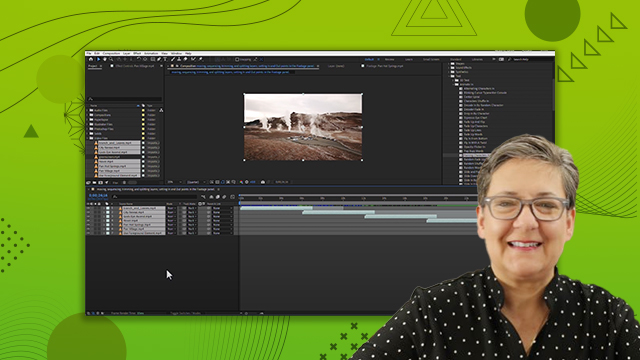
Masks & mattes (part 1)

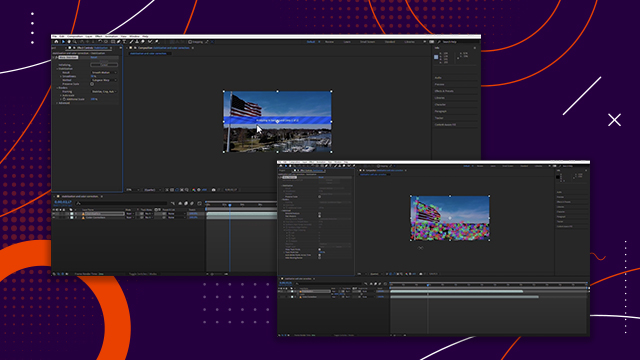
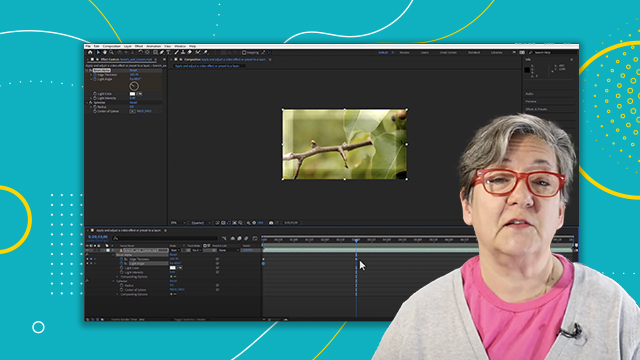
Create, apply, and manipulate masks and track mattes.

This summary is AI generated

Learning Outcomes:

  • Create and manipulate masks in After Effects.
  • Apply track mats for layer transparency effects.
  • Adjust mask properties for desired visual effects.

Level: Intermediate

Skills you'll gain:

After Effects, Masking, Tracking, Rotoscoping

Key Insights

  • Use the 'M' key to reveal mask properties.
  • Masks can be set to different blending modes.
  • Adjust mask opacity and feather for smoother edges.
  • Track matte uses transparency of one layer to affect another.
  • Keyframe mask paths for dynamic animations.
  • Rotoscoping allows for precise adjustments of masks.
  • Practice makes mask manipulation easier over time.
  • Layer selection is crucial when drawing masks.
  • Transparency grids help visualize overlapping masks.
  • Track matte can enhance text animations effectively.

Learning outcomes

  • Create and manipulate masks in After Effects.
  • Apply track mats for layer transparency effects.
  • Adjust mask properties for desired visual effects.

Key insights

  • Use the 'M' key to reveal mask properties.
  • Masks can be set to different blending modes.
  • Adjust mask opacity and feather for smoother edges.
  • Track matte uses transparency of one layer to affect another.
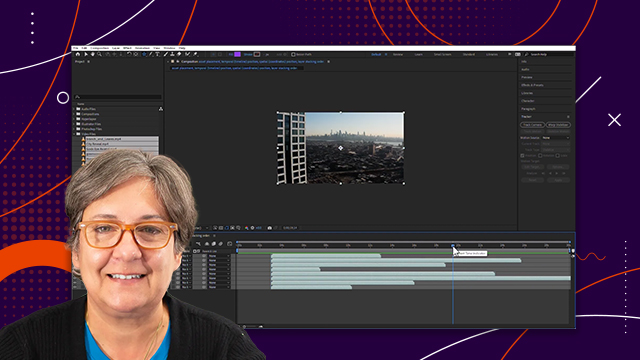
  • Keyframe mask paths for dynamic animations.
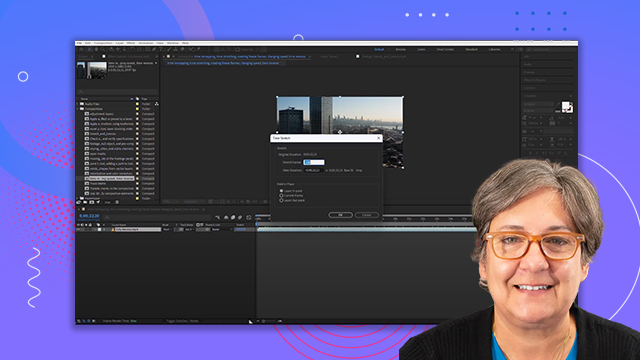
  • Rotoscoping allows for precise adjustments of masks.
  • Practice makes mask manipulation easier over time.
  • Layer selection is crucial when drawing masks.
  • Transparency grids help visualize overlapping masks.
  • Track matte can enhance text animations effectively.

Skills

After Effects, Masking, Tracking, Rotoscoping

Transcript

[00:00:00] foreign

[00:00:00] [Music]

[00:00:00] certification preparation series of

[00:00:00] videos I'm Louisa Winters in this video

[00:00:00] I want to cover objective

[00:00:00] 3.2 B which is to create apply and

[00:00:00] manipulate masks and track mats so let's

[00:00:00] get to it in After Effects let's go

[00:00:00] ahead and close any compositions that we

[00:00:00] may have open and let's open the

[00:00:00] composition called layer masks layer

[00:00:00] masks if you don't have the exercise

[00:00:00] files that's okay create a new

[00:00:00] composition create a solid and then just

[00:00:00] draw a mask on that solid all right but

[00:00:00] for those of you who have the exercise

[00:00:00] files let's work on this solid so if

[00:00:00] you're not showing the mask press the

[00:00:00] letter M M

[00:00:00] for mask and you're going to see mask

[00:00:00] one and then also mask path let's go

[00:00:00] ahead and delete that solid and let's

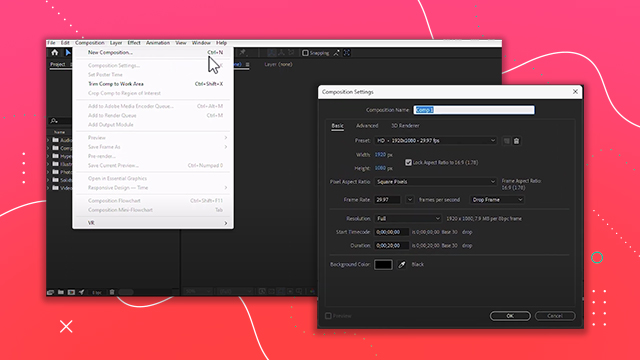
[00:00:00] create a new solid so layer new solid

[00:00:00] and I'm just going to make a darker

[00:00:00] Green Layer here click ok

[00:00:00] with the layer selected

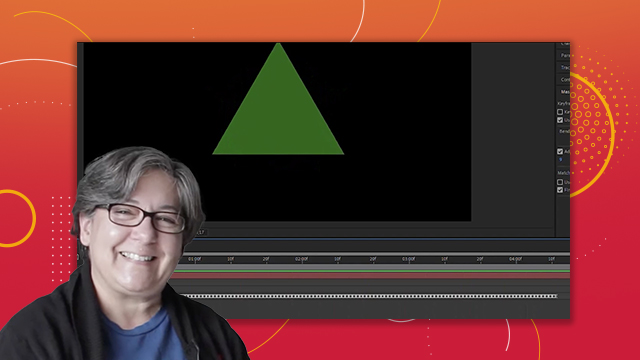
[00:00:00] all I have to do is draw a mask

[00:00:00] if the layer is not selected and I draw

[00:00:00] a mask that's not a mask at all that's a

[00:00:00] shaped layer so if you draw a shape

[00:00:00] layer just for now go ahead and delete

[00:00:00] it if the layer is selected and you draw

[00:00:00] more masks

[00:00:00] they by default are set to a

[00:00:00] transparency of ADD

[00:00:00] and let me go ahead and hide that and I

[00:00:00] want to go back to

[00:00:00] the switches there you go I went to that

[00:00:00] and but you can change them so if I

[00:00:00] select all of these masks and I change

[00:00:00] them to subtract there you go I can

[00:00:00] change them to intersect so only where

[00:00:00] they overlap that will be visible I can

[00:00:00] change him to lighten which is just

[00:00:00] going to be the same as ADD not really

[00:00:00] it has to do with the transparency see

[00:00:00] the opacity of The Masks look look what

[00:00:00] happens if I make one or more of the

[00:00:00] masks more semi-transparent do you see

[00:00:00] how where they overlap is taking the

[00:00:00] opacity of the more solid one

[00:00:00] so I can also set them to let me just

[00:00:00] select all of them uh darken

[00:00:00] notice that where they meet is taking

[00:00:00] the opacity let me change this to the

[00:00:00] transparency grid so you can see it

[00:00:00] better it's using the opacity of the

[00:00:00] more

[00:00:00] transparent one see it

[00:00:00] and then finally difference which looks

[00:00:00] like yay and let me actually make these

[00:00:00] uh completely visible and do you see uh

[00:00:00] where uh that there's gaps here where

[00:00:00] they overlap when you copy and paste

[00:00:00] from illustrator they paste like this

[00:00:00] like difference all right so I'm just

[00:00:00] going to have one mask here

[00:00:00] and oh I deleted it inadvertly it

[00:00:00] doesn't matter I'm just gonna have one I

[00:00:00] made another one and I'm gonna kill the

[00:00:00] transparency grid here we go if I expand

[00:00:00] the mask I have something called mask

[00:00:00] path

[00:00:00] that I can change keyframe etc etc I can

[00:00:00] have a mask feather see so it just gives

[00:00:00] me like a feathered Edge I can have mask

[00:00:00] opacity

[00:00:00] and mask expansion so I can make my mask

[00:00:00] bigger or smaller and of course you

[00:00:00] already saw I can have different uh

[00:00:00] masks in one layer so there's a lot of

[00:00:00] things I can do with masks in here but I

[00:00:00] would dare say that one of the most

[00:00:00] important things that I can do with

[00:00:00] masks is interpolate them so here we go

[00:00:00] so let's go ahead and open the

[00:00:00] composition called track matte track

[00:00:00] matte and just for now let's not do the

[00:00:00] track matte let's still talk about masks

[00:00:00] so here we go I'm going to make the text

[00:00:00] invisible so I just click on the eyeball

[00:00:00] and now I'm going to duplicate duplicate

[00:00:00] the city reveal Ctrl D command D there

[00:00:00] you have it now I'm going to draw a mask

[00:00:00] around this building but it doesn't have

[00:00:00] to be the whole building right so I'm

[00:00:00] going to zoom in and I only need it from

[00:00:00] like

[00:00:00] here

[00:00:00] yeah

[00:00:00] we get the hand tool so here is good

[00:00:00] to here is good

[00:00:00] to here and I'm just clicking with the

[00:00:00] pen tool and there you have it right M

[00:00:00] for mask now I'm going to right click

[00:00:00] the word mask

[00:00:00] and now this tracker appears on the

[00:00:00] right hand side I'm going to track it

[00:00:00] forward and as it tracks it I'm going to

[00:00:00] really watch it carefully

[00:00:00] I'm just going to move that point

[00:00:00] to about yay

[00:00:00] and I'll continue tracking this

[00:00:00] and I'm still losing it but that's okay

[00:00:00] that's that's plenty now I'm going to

[00:00:00] put the city reveal in between those two

[00:00:00] all right so

[00:00:00] um I'm gonna make it visible and now I'm

[00:00:00] going to change the scale of this

[00:00:00] and I'm going to move it to around

[00:00:00] here

[00:00:00] and basically that's what it is see if

[00:00:00] the mask had worked properly you would

[00:00:00] really see the words City reveal are

[00:00:00] coming from behind the building we can

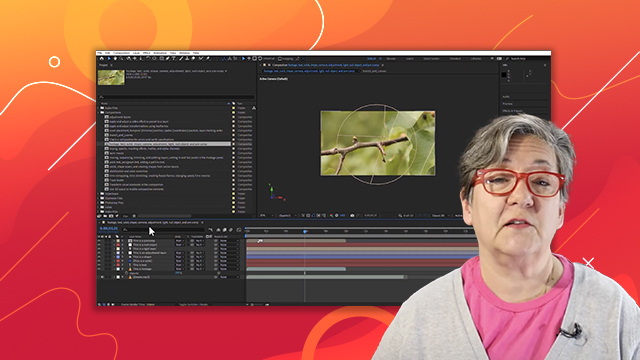
[00:00:00] easily do that with the branch and

[00:00:00] leaves for example in fact I'm going to

[00:00:00] create a new composition with that

[00:00:00] and I'm going to duplicate this

[00:00:00] and now I'm just going to

[00:00:00] mask this leaf

[00:00:00] about yay

[00:00:00] and I don't need to do the whole thing

[00:00:00] just that and now M for mask right click

[00:00:00] the words mask path I'm gonna

[00:00:00] zoom out a little bit and now I'm just

[00:00:00] gonna track it like yay and you as as it

[00:00:00] goes You See It Go and it actually is is

[00:00:00] doing a pretty good job tracking that

[00:00:00] and generally speaking it does a pretty

[00:00:00] good job we're going to talk about

[00:00:00] keyframing it by hand when it doesn't

[00:00:00] track it well so we're going to go back

[00:00:00] to the other building and then we're

[00:00:00] going to do it properly but notice how

[00:00:00] this is actually working really really

[00:00:00] really well so I think that's about

[00:00:00] that's about okay and now all I have to

[00:00:00] do is

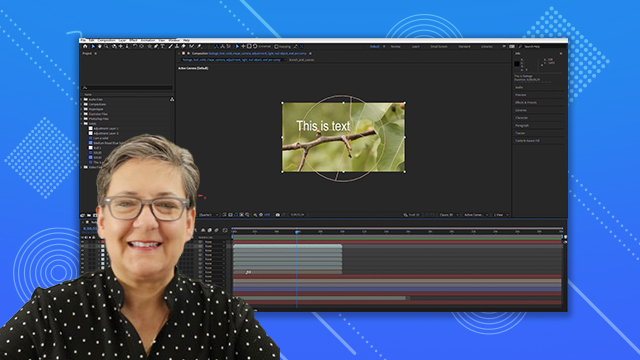
[00:00:00] um I don't know I'll type something

[00:00:00] right and put them in between

[00:00:00] and now

[00:00:00] so I put this here it's going to look

[00:00:00] like the word something is behind the

[00:00:00] leaf

[00:00:00] of course you know it didn't uh

[00:00:00] I didn't finish tracking it but you get

[00:00:00] the point I'm gonna end the workspace

[00:00:00] there

[00:00:00] all right so when it doesn't work

[00:00:00] properly let's go back to the track

[00:00:00] matte and let's delete the mask right

[00:00:00] I'm just going to I'm going to do the

[00:00:00] whole building this time I'm going to do

[00:00:00] it from here to here to here to here and

[00:00:00] I'm just gonna close it there right so M

[00:00:00] for mask and I'm going to keyframe it

[00:00:00] right there it doesn't really matter

[00:00:00] where your playhead is just keyframe it

[00:00:00] where the playhead is now go all the way

[00:00:00] to the beginning and with the selection

[00:00:00] tool click outside of the Mask click

[00:00:00] completely outside of the mask and then

[00:00:00] click on one point at a time

[00:00:00] and like that

[00:00:00] all right now go all the way to the end

[00:00:00] or where to you don't see the building

[00:00:00] anymore say here

[00:00:00] and now we can move those points

[00:00:00] like

[00:00:00] that

[00:00:00] all right now we're gonna go towards the

[00:00:00] beginning like yay and we're going to

[00:00:00] adjust the points like that and notice

[00:00:00] that a new keyframe gets created each

[00:00:00] and every time now towards the end fix

[00:00:00] this

[00:00:00] so it's the beginning fix it and you

[00:00:00] will notice that the more you go back

[00:00:00] and forth

[00:00:00] the more you go back and forth the

[00:00:00] easier are these masks

[00:00:00] to be adjusted because they are almost

[00:00:00] where you need them to be

[00:00:00] see it

[00:00:00] and this starts becoming easier and

[00:00:00] easier and easier

[00:00:00] and you know the more you do this the

[00:00:00] more you realize it's like you know what

[00:00:00] I don't even need a mask here anymore

[00:00:00] but it's okay because I'm going to

[00:00:00] change the scale of the of the text so

[00:00:00] it's all good eventually you get really

[00:00:00] really good at this and this is also

[00:00:00] known as rotoscoping create a shortcut

[00:00:00] there I mean a keyframe there and there

[00:00:00] you go

[00:00:00] and there you go

[00:00:00] all right so this should actually work

[00:00:00] really well

[00:00:00] so a little bit of inconsistencies here

[00:00:00] I can just fix it

[00:00:00] by just going here and going okay

[00:00:00] and moving it like that's it

[00:00:00] that's pretty darn good and now that

[00:00:00] everything is masked I can make my text

[00:00:00] a little bit larger

[00:00:00] and move it to about yay

[00:00:00] and it's going to work really well all

[00:00:00] right so rotoscoping masking same

[00:00:00] difference all right so let's go ahead

[00:00:00] and revert

[00:00:00] and let's open the track matte

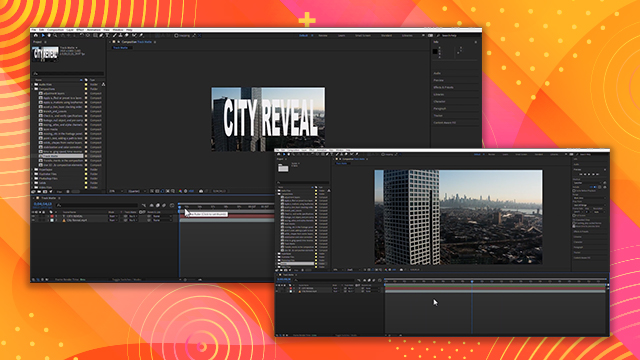
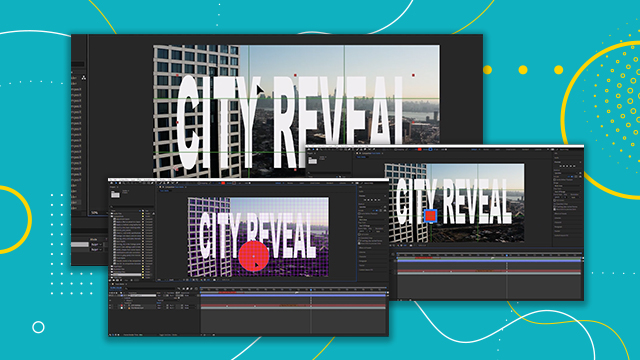
[00:00:00] composition all right so track matte

[00:00:00] composition this time we are going to

[00:00:00] make the words City reveal the track

[00:00:00] matte

[00:00:00] for the movie City Review alright and

[00:00:00] this is how it's done we are going to

[00:00:00] have the alpha channel of the text in

[00:00:00] other words the transparency of the text

[00:00:00] see where the

[00:00:00] checkerboard pattern is in fact I can

[00:00:00] even change the color of the text to

[00:00:00] Black

[00:00:00] everywhere that you see transparency in

[00:00:00] this layer you're going to see

[00:00:00] transparency in this layer and that's

[00:00:00] what the track map does so if you're not

[00:00:00] showing the switches and the modes go

[00:00:00] ahead and do that and we are going to go

[00:00:00] to the track matte column and from here

[00:00:00] see where it says Nomad choose City

[00:00:00] reveal and done that's it

[00:00:00] all right

[00:00:00] oh Luisa I'm finding it really hard to

[00:00:00] see yeah you know what create a solid

[00:00:00] make it any color I'm going to leave it

[00:00:00] green put it here at the bottom and

[00:00:00] there you have it

[00:00:00] all right so you can even animate the

[00:00:00] text right so say P for position

[00:00:00] keyframe it there and have it come from

[00:00:00] the outside

[00:00:00] to here

[00:00:00] and the only the the the body of the

[00:00:00] text The Fill of the text is going to be

[00:00:00] the video underneath

[00:00:00] track math is when the transparency of

[00:00:00] one layer affects another layer all

[00:00:00] right so that's track matte alrighty I

[00:00:00] think this brings us to the end of this

[00:00:00] video it was lengthy but it's very

[00:00:00] important especially the mask

[00:00:00] interpolation and this track matte

[00:00:00] invaluable all right so thank you for

[00:00:00] watching and I'll see you on the next

[00:00:00] video

[00:00:00] [Music]

[00:00:00] thank you

Explore Other Tutorials