Home > Working in the motion graphics industry part 6

Luisa Winters

Instructor and consultant for Adobe products

linkedin-icon

Working in the motion graphics industry part 6

Learn common animation terms and principles such as squashing, stretching, anticipation, staging, and more.

This summary is AI generated

Learning Outcomes:

  • Understand common animation terms and principles
  • Apply easing techniques for fluid motion
  • Utilize anticipation for realistic animations

Level: Intermediate

Skills you'll gain:

After Effects, Animation, Easing, Timing

Key Insights

  • Easing creates smoother transitions in animations.
  • Squash and stretch add weight and flexibility to objects.
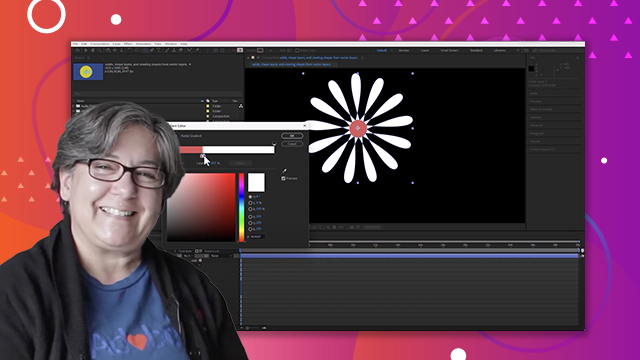
  • Anticipation prepares viewers for upcoming actions.
  • Staging guides viewer attention through motion.
  • Follow through and overlapping action enhance realism.
  • Timing must reflect natural movement for believability.
  • Exaggeration can enhance comedic effect in animations.
  • Solid drawing principles are essential for character design.
  • Appeal increases viewer engagement with characters and scenes.

Learning outcomes

  • Understand common animation terms and principles
  • Apply easing techniques for fluid motion
  • Utilize anticipation for realistic animations

Key insights

  • Easing creates smoother transitions in animations.
  • Squash and stretch add weight and flexibility to objects.
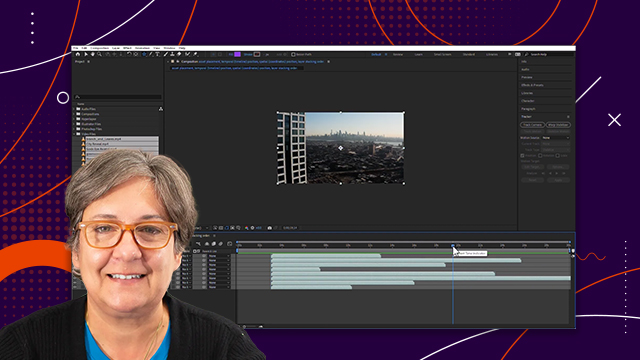
  • Anticipation prepares viewers for upcoming actions.
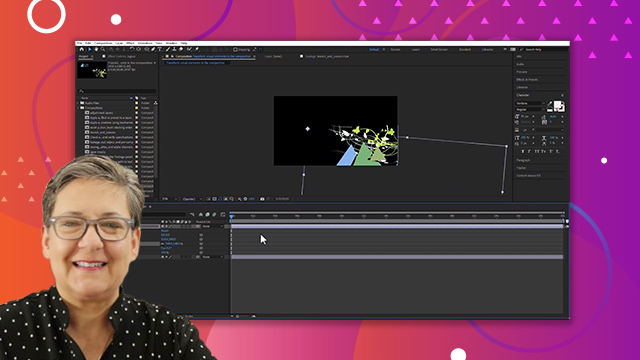
  • Staging guides viewer attention through motion.
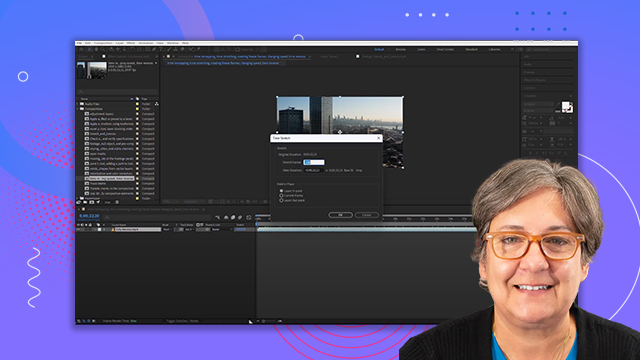
  • Follow through and overlapping action enhance realism.
  • Timing must reflect natural movement for believability.
  • Exaggeration can enhance comedic effect in animations.
  • Solid drawing principles are essential for character design.
  • Appeal increases viewer engagement with characters and scenes.

Skills

After Effects, Animation, Easing, Timing

Transcript

[00:00:00] [Music]

[00:00:00] thank you

[00:00:00] [Music]

[00:00:00] hello and welcome to this after effects

[00:00:00] certification preparation series of

[00:00:00] videos I'm Louisa Winters in this video

[00:00:00] we're going to cover objective 1.5 1.5 a

[00:00:00] to be more exact which is to demonstrate

[00:00:00] knowledge of common animation terms and

[00:00:00] principles so let's get to it easing

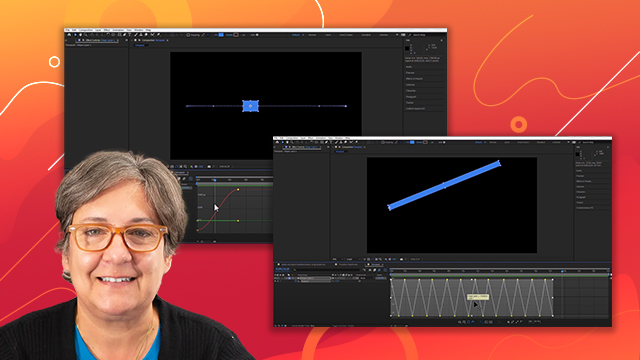
[00:00:00] easing is the process of making an

[00:00:00] animation not so severe or pronounced in

[00:00:00] other words just an acceleration or a

[00:00:00] deceleration it's not just linear it's

[00:00:00] not just going from here okay very

[00:00:00] robotic like it's more fluid motion it's

[00:00:00] an acceleration a deceleration

[00:00:00] the movement that starts slowly and

[00:00:00] accelerates is called an ease out so

[00:00:00] that's like accelerating in your car

[00:00:00] pushing the gas pedal when you ease in

[00:00:00] you're decelerating so acceleration

[00:00:00] deceleration is out is in

[00:00:00] this is an example

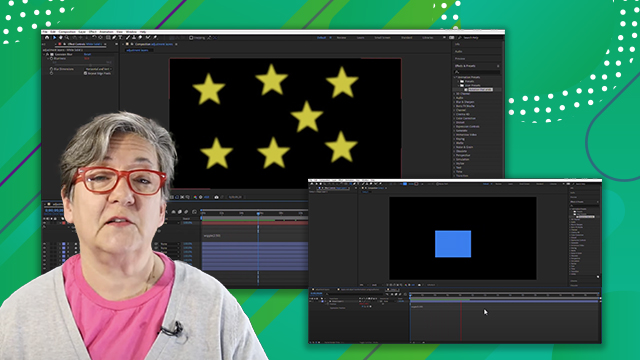
[00:00:00] squashed squash and stretch it gives

[00:00:00] your animated characters and objects the

[00:00:00] illusion of gravity weight and

[00:00:00] flexibility is It's Just an Illusion

[00:00:00] because of course these are just

[00:00:00] computer generated this is a good

[00:00:00] example of it

[00:00:00] anticipation anticipation helps to

[00:00:00] prepare the viewer for what's about to

[00:00:00] happen when applied it has the effect of

[00:00:00] making the object's actions more

[00:00:00] realistic so this is a good example of

[00:00:00] anticipation it's just about hitting the

[00:00:00] ball staging staging and animation is a

[00:00:00] lot like composition in artwork and uh

[00:00:00] what is meant by this is that you should

[00:00:00] use motion to guide the viewer's eye to

[00:00:00] where you want that attention to be so

[00:00:00] use motion for that and this is a good

[00:00:00] example of of that

[00:00:00] moving on Straight Ahead action and post

[00:00:00] to post uh this is kind of uh difficult

[00:00:00] in After Effects because uh everything

[00:00:00] is going to be keyframed so there is not

[00:00:00] too much Straight Ahead action but I'll

[00:00:00] try to demonstrate this the best I can

[00:00:00] keep in mind that this is working in the

[00:00:00] industry not working in After Effects if

[00:00:00] it were After Effects then you know we

[00:00:00] have to do posts those would be kind of

[00:00:00] like the the keyframes so straight ahead

[00:00:00] action info involves drawing frame by

[00:00:00] frame boom boom three

[00:00:00] Straight Ahead action is involves

[00:00:00] drawing frame by frame drawing frame one

[00:00:00] then two three four five six seven eight

[00:00:00] nine well post to post you draw the

[00:00:00] beginning and then the end and then a

[00:00:00] few in between if you need to and that's

[00:00:00] how the animation is done so this is a

[00:00:00] good example of Straight Ahead actions

[00:00:00] and I get it in After Effects is kind of

[00:00:00] difficult because it doesn't really

[00:00:00] exist but see how there's like a

[00:00:00] keyframe on each and every frame

[00:00:00] and in here you have just a couple of

[00:00:00] key frames and that's enough to uh to to

[00:00:00] give you the the motion that you need

[00:00:00] so post to pose or straight ahead Action

[00:00:00] Moving On follow through an overlapping

[00:00:00] action when objects come to a standstill

[00:00:00] after being in motion different parts of

[00:00:00] the object will stop at different rates

[00:00:00] similarly not everything on an object

[00:00:00] will move at the same rate similar to

[00:00:00] the stretch and squash but a little bit

[00:00:00] different so this would be a good

[00:00:00] example of that

[00:00:00] slow in and slow out well this is kind

[00:00:00] of the same as easing right is out and

[00:00:00] acceleration is in a deceleration in

[00:00:00] here they have it as two separate terms

[00:00:00] uh but it's it's related to easy so uh

[00:00:00] again here is another uh example of that

[00:00:00] arc when working in an animation it's

[00:00:00] best to stick with the loss of physics

[00:00:00] and most objects follow an arc or a path

[00:00:00] when they're moving so your animations

[00:00:00] should reflect that if you throw a ball

[00:00:00] in the air it's just going to go up and

[00:00:00] down in an arc and that's what they're

[00:00:00] talking about here

[00:00:00] secondary action secondary actions are

[00:00:00] used to support the main action going on

[00:00:00] with the scene adding secondary actions

[00:00:00] help add more Dimension to your

[00:00:00] characters and objects

[00:00:00] timing for this principle of Animation

[00:00:00] we need to look at the laws of physics

[00:00:00] again if you move an object more quickly

[00:00:00] or slowly than it would naturally move

[00:00:00] in the real world the effect would not

[00:00:00] be believable unless of course you're

[00:00:00] using exaggeration which we're going to

[00:00:00] talk about a little bit later but that's

[00:00:00] another technique right so just make

[00:00:00] sure that things are timed in a natural

[00:00:00] fashion so that they are more believable

[00:00:00] exaggeration too much realism can ring

[00:00:00] an animation in other words if it's too

[00:00:00] realistic yeah it's not going to work

[00:00:00] well if you exaggerate some things then

[00:00:00] you bring things like comic relief and

[00:00:00] you know it's uh it actually delivers

[00:00:00] the message quite well solid drawing you

[00:00:00] need to understand the basics of drawing

[00:00:00] perspective and this includes how to

[00:00:00] draw three-dimensional space and

[00:00:00] understanding form and Anatomy that's

[00:00:00] why a lot of artists take classes in

[00:00:00] anatomy so that they know how the human

[00:00:00] muscles move naturally how to draw them

[00:00:00] etc etc

[00:00:00] appeal your characters objects and the

[00:00:00] world in which they live need to appeal

[00:00:00] to the viewer in other words if they're

[00:00:00] boring ugly or whatever then people are

[00:00:00] not going to want to watch them so if

[00:00:00] they're cute or funny or whatever then

[00:00:00] you increase their appeal and this

[00:00:00] brings us to the end of this video thank

[00:00:00] you for watching and see you on the next

[00:00:00] one

[00:00:00] foreign

[00:00:00] [Music]

Explore Other Tutorials