Home > Everything you need to know about the project and timeline panels

Luisa Winters

Instructor and consultant for Adobe products

linkedin-icon

Everything you need to know about the project and timeline panels

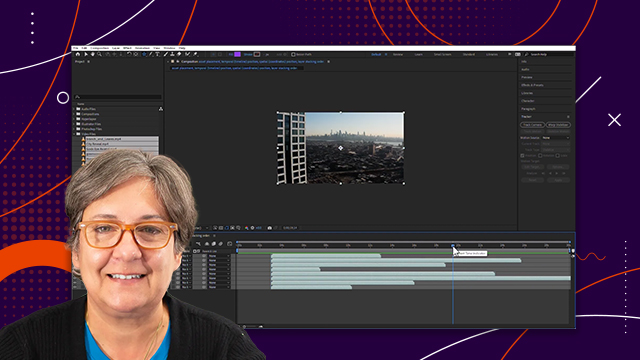
Learn how to identify, navigate, and manipulate elements such as Key Panels: Project panel, and Timeline panel.

This summary is AI generated

Learning Outcomes:

  • Navigate the After Effects interface effectively.
  • Customize project and timeline panels for efficiency.
  • Interpret footage settings for better control.

Level: Intermediate

Skills you'll gain:

After Effects, Interface Navigation, Customization, Footage Interpretation

Key Insights

  • Use the project panel to manage assets efficiently.
  • Customize column visibility in the project panel.
  • Utilize the search bar for quick asset retrieval.
  • Interpret footage to adjust frame rates as needed.
  • Rename layers for better organization in the timeline.
  • Use the shy guy icon to manage layer visibility.
  • Toggle switches and modes for accessing blending options.
  • Reset workspace to default for a clean setup.
  • Create new folders to organize project files.
  • Utilize the trash can icon for deleting assets.

Learning outcomes

  • Navigate the After Effects interface effectively.
  • Customize project and timeline panels for efficiency.
  • Interpret footage settings for better control.

Key insights

  • Use the project panel to manage assets efficiently.
  • Customize column visibility in the project panel.
  • Utilize the search bar for quick asset retrieval.
  • Interpret footage to adjust frame rates as needed.
  • Rename layers for better organization in the timeline.
  • Use the shy guy icon to manage layer visibility.
  • Toggle switches and modes for accessing blending options.
  • Reset workspace to default for a clean setup.
  • Create new folders to organize project files.
  • Utilize the trash can icon for deleting assets.

Skills

After Effects, Interface Navigation, Customization, Footage Interpretation

Transcript

[00:00:00] [Music]

[00:00:00] thank you

[00:00:00] [Music]

[00:00:00] hello and welcome to this after effects

[00:00:00] certification preparation series of

[00:00:00] videos I'm Louisa Winters in this movie

[00:00:00] I'd like to continue discussing

[00:00:00] objective 2.2 a which is to identify

[00:00:00] navigate and manipulate elements of the

[00:00:00] after effects interface in fact I want

[00:00:00] to talk today about the project panel

[00:00:00] and the timeline panel so let's go into

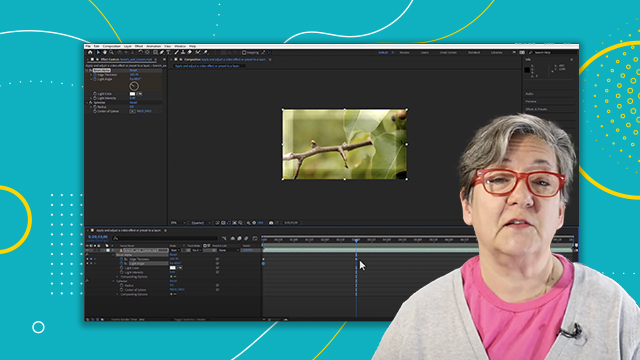
[00:00:00] after effects and get started this is

[00:00:00] the project that I was working on on the

[00:00:00] last movie so this is a composition that

[00:00:00] we created we called it new composition

[00:00:00] I just drag some movies down and all of

[00:00:00] that I'm going to continue working on

[00:00:00] this but if you're just joining us now

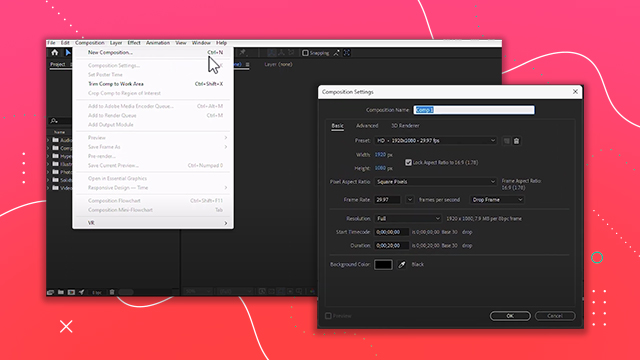
[00:00:00] create a composition just go composition

[00:00:00] new composition create a new composition

[00:00:00] and add some stuff to it and that's it

[00:00:00] we're not really going to do anything

[00:00:00] I'm just giving you some explanations on

[00:00:00] some of the icons on these panels let's

[00:00:00] get started with the project panel and

[00:00:00] for that I'm going to press and hold the

[00:00:00] Ctrl key which would be command on the

[00:00:00] Mac and I'm going to click and drag and

[00:00:00] just drag it out and the reason for that

[00:00:00] is because I want you to just see the

[00:00:00] project panel and I want it to be nice

[00:00:00] and large so that you can really see

[00:00:00] what's going on here

[00:00:00] next to the word project we have these

[00:00:00] three lines these are called the project

[00:00:00] uh the project panel menu or the panel

[00:00:00] menu some people call this the hamburger

[00:00:00] menu and if you click here you can

[00:00:00] customize some things so you can close

[00:00:00] the panel you can close the panel group

[00:00:00] you can have a stacked panel group you

[00:00:00] can have small tabs hey you know what

[00:00:00] you can customize it you can also change

[00:00:00] in here which columns you see so what

[00:00:00] columns is this this referring to look

[00:00:00] at this height size frame rate you can

[00:00:00] make these a little bit bigger too in

[00:00:00] and out Point type name comment etc etc

[00:00:00] so you can customize that in here for

[00:00:00] example I don't care about the type

[00:00:00] gone deselect it the check mark is no

[00:00:00] longer there and boom there you go

[00:00:00] you can also customize it by right

[00:00:00] clicking on the name of any of the

[00:00:00] columns so then you go column and there

[00:00:00] you go select the select whatever you

[00:00:00] want it doesn't matter and you can

[00:00:00] actually sort these things by the size

[00:00:00] the name the in and out points any of

[00:00:00] that so easy peasy if you don't want to

[00:00:00] see the type name right click hide disk

[00:00:00] all the things that are available in

[00:00:00] here are this little search see this

[00:00:00] little pool Loop magnifying glass

[00:00:00] whatever you want to call it you can

[00:00:00] click in there and then you can choose

[00:00:00] hey you know what I'm going to I need to

[00:00:00] search for missing effects I need to

[00:00:00] search for missing fonts for missing

[00:00:00] footage for unused footage for used

[00:00:00] footage if I choose unused all of these

[00:00:00] things appear because I'm not using any

[00:00:00] of them right now I'm just going to go

[00:00:00] ahead and click here again and just say

[00:00:00] hey no nothing recent

[00:00:00] and you can see how convenient this is

[00:00:00] right I can also click here and search

[00:00:00] for something for example

[00:00:00] Branch because I know that I have a

[00:00:00] composition named branch and leaves and

[00:00:00] I also know that I have a video file

[00:00:00] named branch and leaves so if I'm

[00:00:00] looking for something and I have so many

[00:00:00] things in my project panel that I can't

[00:00:00] seem to find it there's a search bar

[00:00:00] right here so I'm going to delete that

[00:00:00] so that I'm not really filtering any

[00:00:00] results but anyway here at the bottom

[00:00:00] left you see that there are other icons

[00:00:00] in the project panel this one is for

[00:00:00] interpreting footage so you can select

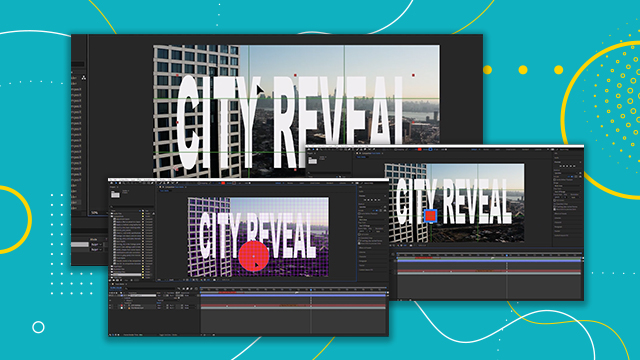
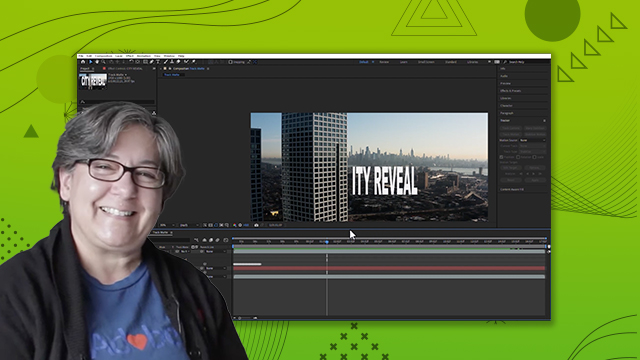
[00:00:00] any of these video files say this city

[00:00:00] reveal and then you can click on

[00:00:00] interpret footage and you can tell it

[00:00:00] hey you know what don't use the frame

[00:00:00] rate that came from the file use

[00:00:00] something different maybe 15 frames per

[00:00:00] second or whatever this is really really

[00:00:00] useful for when you shoot at high uh

[00:00:00] frame rates say you're shooting at 120

[00:00:00] frames per second but you want to play

[00:00:00] it slow motion at 30. so interpret it

[00:00:00] change it instead of use frame rate from

[00:00:00] this

[00:00:00] to what whatever was recorded right in

[00:00:00] our case 120 switch it to 30 or 29.97 so

[00:00:00] easy peasy there are other things that

[00:00:00] you can customize you can customize the

[00:00:00] beginning time code number you can

[00:00:00] customize uh things like the the pull

[00:00:00] down and you can also change the pixel

[00:00:00] aspect ratio these go out of the scope

[00:00:00] of what the test is going to cover but

[00:00:00] just keep in mind that you can

[00:00:00] you can interpret footage for these

[00:00:00] things including color you can turn

[00:00:00] color Management on for for this and you

[00:00:00] can change interpretation so you know

[00:00:00] just keep that in mind that you have a

[00:00:00] lot of options on their interpret

[00:00:00] footage I'm just going to cancel out of

[00:00:00] here because I'm not really changing

[00:00:00] anything

[00:00:00] the next icon that we have is to create

[00:00:00] a new folder that's self-explanatory

[00:00:00] create a new composition we already

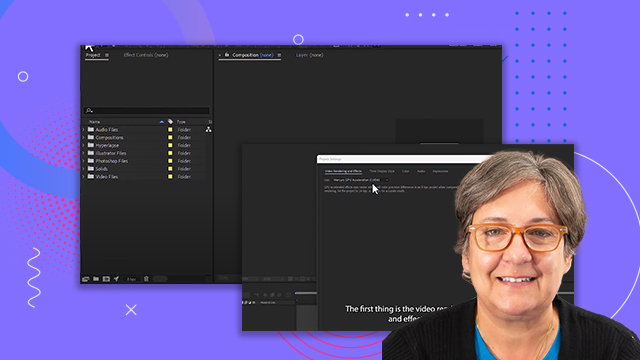
[00:00:00] talked about that the project settings

[00:00:00] which we also discussed if we click here

[00:00:00] it opens the same project settings that

[00:00:00] we open when we went to file project

[00:00:00] settings same panel this is telling us

[00:00:00] that we are at eight bits per Channel we

[00:00:00] also discussed that and if we select

[00:00:00] anything we can uh delete it simply by

[00:00:00] clicking on this little trash can and

[00:00:00] you know that is the project panel so

[00:00:00] I'm going to dock it back here and in

[00:00:00] fact you know what let me go ahead and

[00:00:00] reset the default to workspace and there

[00:00:00] you go and by the way I resetted it

[00:00:00] simply by double clicking its name right

[00:00:00] so there you go it asks me are you sure

[00:00:00] you want to and blah blah blah revert

[00:00:00] and there you have it so let's go ahead

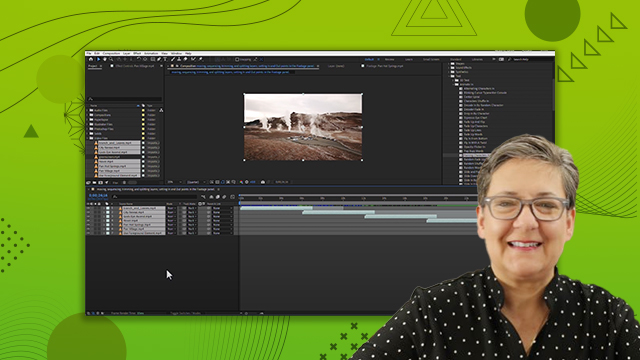
[00:00:00] and talk about the timeline panel now

[00:00:00] I'm going to press and hold the Ctrl key

[00:00:00] and I'm going to drag it out only

[00:00:00] because I want you to be able to see it

[00:00:00] right in the middle here

[00:00:00] and I'm going to make this a little bit

[00:00:00] taller yeah just to cover the the

[00:00:00] background

[00:00:00] there you go I'm not gonna really tell

[00:00:00] you everything about here or this is

[00:00:00] gonna be a really long movie but I'm

[00:00:00] going to tell you about the most

[00:00:00] important things look at these you see

[00:00:00] these here this is the eyeball this

[00:00:00] hides that layer or shows it so you know

[00:00:00] I can either click and drag and make all

[00:00:00] of the layers invisible or make all of

[00:00:00] the layers visible the same with this

[00:00:00] little loudspeaker thing this will mute

[00:00:00] the audio or unmute it right notice that

[00:00:00] only one of these has audio included

[00:00:00] that's why this is not available in the

[00:00:00] other layers this little ping pong ball

[00:00:00] solos so if I only want to see that

[00:00:00] layer and now I'm going to move this out

[00:00:00] of the way and in fact I'm going to go

[00:00:00] back

[00:00:00] if I just want to see this layer I click

[00:00:00] here and there you go it hides all the

[00:00:00] other layers and shows only that one and

[00:00:00] yes you can solo more than one layer

[00:00:00] right then you have a label uh color and

[00:00:00] you can change it by clicking on it say

[00:00:00] I need you to be blue I want you to be

[00:00:00] red whatever it doesn't matter but you

[00:00:00] can use this to very quickly

[00:00:00] differentiate between your layers so it

[00:00:00] starts becoming kind of important now

[00:00:00] you have the layer number you cannot

[00:00:00] change this the layer on top will always

[00:00:00] be layer one then the subsequent ones

[00:00:00] would be two three four five six you

[00:00:00] know you can't change that so if I glab

[00:00:00] if I grab the red layer and put it here

[00:00:00] on top then the red layer becomes number

[00:00:00] one all right so you cannot change that

[00:00:00] the source name that you can change well

[00:00:00] you can't change the source name but you

[00:00:00] can change

[00:00:00] you can change the layer name in After

[00:00:00] Effects you can rename almost anything

[00:00:00] and you do so by selecting the name and

[00:00:00] then pressing enter or return right and

[00:00:00] then name it

[00:00:00] whatever

[00:00:00] they meant whatever but see how now this

[00:00:00] says layer name and you can click on it

[00:00:00] and then in Source name and you can

[00:00:00] click on it again so on the column

[00:00:00] header and it gives you the layer name

[00:00:00] all right so the next

[00:00:00] set of icons and these will be the last

[00:00:00] ones that I cover in this movie are

[00:00:00] going to be the switches we start with

[00:00:00] this guy the shy guy so this makes the

[00:00:00] layer invisible here in the timeline but

[00:00:00] not in the comp panel so let me just do

[00:00:00] this really quickly I'm going to make

[00:00:00] these layers much smaller and then I'm

[00:00:00] just going to click and drag it so that

[00:00:00] we can see these layers at the same time

[00:00:00] look at the difference

[00:00:00] if I make one of these layers invisible

[00:00:00] see how that's the branch and leaves

[00:00:00] hey I can still see it here in the

[00:00:00] timeline but if I click on that eyeball

[00:00:00] I no longer see it here in the comp

[00:00:00] panel in other words in the monitor look

[00:00:00] at the difference now if I click on the

[00:00:00] shy guy it's going to disappear from the

[00:00:00] timeline but you will still be able to

[00:00:00] see it in the comp panel and you may be

[00:00:00] asking yourself hey Luisa you know you

[00:00:00] clicked on the switch and it didn't

[00:00:00] disappear that's because there are some

[00:00:00] switches that need to be turned on in

[00:00:00] two places they need to be turned on at

[00:00:00] the layer level which is what I just did

[00:00:00] and they also need to be turned on at

[00:00:00] the comp layer see this guy here it

[00:00:00] disappears now from the timeline but

[00:00:00] it's still visible here in the monitor

[00:00:00] or on the comp panel so I can do that

[00:00:00] with any of these so I can just boom

[00:00:00] make all of these invisible boom boom

[00:00:00] boom right and now I see like one layer

[00:00:00] but clearly I have five this is how most

[00:00:00] templates ship all right most templates

[00:00:00] are going to ship and you're going to

[00:00:00] get them with a whole bunch of hidden

[00:00:00] layers and then you're trying to modify

[00:00:00] something and you're just going hey you

[00:00:00] know where where is it yeah you know

[00:00:00] what just click on this little icon here

[00:00:00] boom and now you can see them again all

[00:00:00] right I'm gonna make all of them visible

[00:00:00] again the rest of the switches I'm gonna

[00:00:00] skip for now and uh there is just one

[00:00:00] last button that I want to take you over

[00:00:00] which is this one here at the bottom

[00:00:00] that says toggled switches and modes

[00:00:00] toggle switches and modes if you click

[00:00:00] here you're going to go to modes track

[00:00:00] mats etc etc and if you click again you

[00:00:00] see the switches

[00:00:00] if in the test they tell you to oh you

[00:00:00] know change the blending mode to

[00:00:00] whatever of this layer right select the

[00:00:00] layer and then you go oh my God where's

[00:00:00] the blending mode click on switches and

[00:00:00] modes and there are your blending modes

[00:00:00] right right here on the modes and if by

[00:00:00] any reason that fails you know you you

[00:00:00] just you can't find the button you you

[00:00:00] don't see it blah blah blah right click

[00:00:00] the column name right click the column

[00:00:00] name say the words layer name

[00:00:00] go to columns and then choose modes or

[00:00:00] choose switches or choose keys or a

[00:00:00] switch to you know or choose render time

[00:00:00] or whatever it is that they're asking

[00:00:00] you to do just make sure that you're

[00:00:00] showing that column all right

[00:00:00] and this brings us to the end of this

[00:00:00] video thank you for watching and see you

[00:00:00] on the next video

[00:00:00] [Music]

[00:00:00] thank you

Explore Other Tutorials