Character
Adjust character settings such as font, size, style and kerning.
This summary is AI generated
Learning Outcomes:
- Adjust character settings in After Effects
- Modify font size, style, and color
- Understand kerning and tracking for readability
Level: Intermediate
Skills you'll gain:
After Effects, Typography, Text Editing, Design
Key Insights
- Use the character and paragraph panels for text adjustments.
- Select text to apply changes in After Effects.
- Scrub numbers for dynamic font size adjustments.
- Kerning affects the space between two characters.
- Tracking adjusts the space between all characters.
- Typography enhances text readability, not just aesthetics.
- Use leading to control line spacing effectively.
- Apply strokes and colors to enhance text visibility.
- Understand the importance of font selection for design.
Did the AI summary help? Let us know.
Learning outcomes
- Adjust character settings in After Effects
- Modify font size, style, and color
- Understand kerning and tracking for readability
Key insights
- Use the character and paragraph panels for text adjustments.
- Select text to apply changes in After Effects.
- Scrub numbers for dynamic font size adjustments.
- Kerning affects the space between two characters.
- Tracking adjusts the space between all characters.
- Typography enhances text readability, not just aesthetics.
- Use leading to control line spacing effectively.
- Apply strokes and colors to enhance text visibility.
- Understand the importance of font selection for design.
Skills
After Effects, Typography, Text Editing, Design
Transcript
[00:00:00] foreign
[00:00:03] [Music]
[00:00:16] hello and welcome to this after effects
[00:00:19] certification preparation series of
[00:00:21] videos I'm Louisa Winters
[00:00:23] in this video I want to cover objective
[00:00:26] 4.2 B which is to adjust character
[00:00:30] settings so we're going to talk about
[00:00:32] font size style kerning tracking letting
[00:00:34] horizontal and vertical scale and other
[00:00:37] things so let's get to it in After
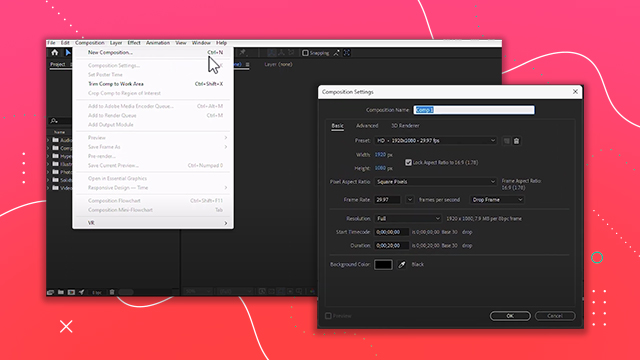
[00:00:40] Effects let's go ahead and create a new
[00:00:42] composition controller command n don't
[00:00:45] worry about the name and now let's just
[00:00:47] type something right so I'm going to use
[00:00:50] Point text now in fact I use Point text
[00:00:53] before I'm going to use paragraph text
[00:00:55] and I'm gonna have it left aligned so
[00:00:59] that's under the paragraph here on the
[00:01:00] left more on that in just a little bit
[00:01:02] and I'm going to type First Line enter
[00:01:07] second line all right so here we go
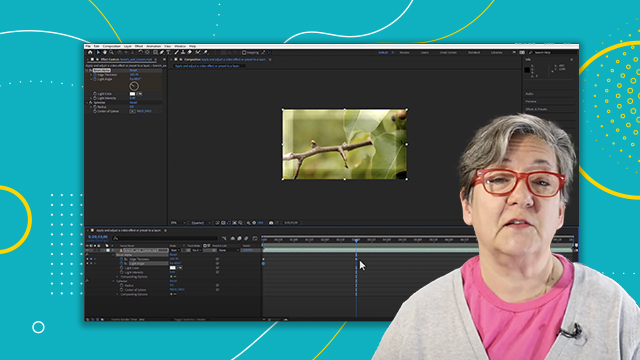
[00:01:12] as soon as you start typing anything in
[00:01:14] After Effects these two panels should
[00:01:18] open up the character panel and the
[00:01:20] paragraph panel all right if you don't
[00:01:24] see them
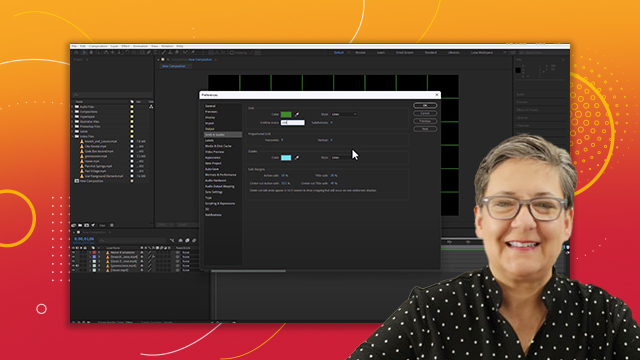
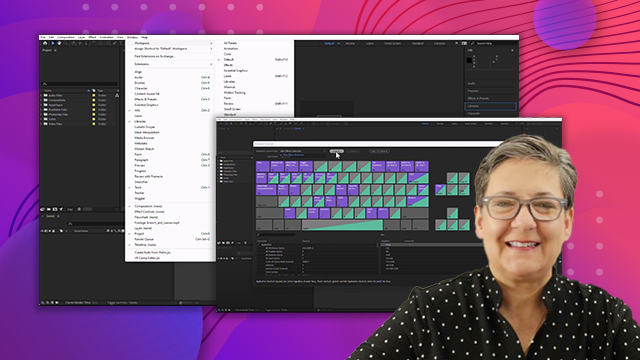
[00:01:25] you can either go to a text workspace
[00:01:29] and we learned how to change workspaces
[00:01:32] in an earlier video but just in case you
[00:01:34] didn't watch it window workspace text or
[00:01:38] simply go to this menu here and go to
[00:01:41] text and then they will appear see
[00:01:44] character and paragraph or if you prefer
[00:01:47] not to do that just go to window text
[00:01:51] window paragraph Okay so paragraph and
[00:01:56] character
[00:01:58] so window character window paragraph all
[00:02:02] right so here we go
[00:02:03] if we want to change the font
[00:02:07] say I want to change this font and it's
[00:02:09] Times New Roman and I want verdana
[00:02:12] nothing changes nothing changes at all
[00:02:16] the reason for that is because things
[00:02:18] are not selected and remember that in
[00:02:20] After Effects you have to select stuff
[00:02:22] in order to be able to affect it so I
[00:02:24] can select say only the word first okay
[00:02:28] now if I go to verdana that changes all
[00:02:33] right so I can select all of the text
[00:02:36] and I change I can change it to I don't
[00:02:39] know uh Sitka whatever right and then
[00:02:43] they all change I can also double click
[00:02:45] the layer here and it selects all of the
[00:02:47] characters
[00:02:48] so it's very similar to what Photoshop
[00:02:50] does right I can also change the font
[00:02:54] style so you know I can go here italic
[00:02:59] right and depending on the fonts that
[00:03:01] you have installed in your system you're
[00:03:04] gonna get different options all right I
[00:03:07] can change the size see it I much prefer
[00:03:12] scrubbing it you know scrubby numbers is
[00:03:14] when you put the mouse cursor on top of
[00:03:17] the number it changes into a pointy
[00:03:19] finger like yay and then you can click
[00:03:22] and drag and that dynamically changes
[00:03:24] that value if you drag left or right or
[00:03:26] even up and down all right so there you
[00:03:29] go font and font size you can also
[00:03:32] change the style you can change the
[00:03:34] color it's like oh you know what text I
[00:03:36] want you to be green
[00:03:38] whatever right I want to add a stroke to
[00:03:42] the text so I click on the stroke here I
[00:03:45] can double click and all I want you to
[00:03:47] have a red outline right and now I want
[00:03:51] for that outline to be like quite large
[00:03:56] and that's quite horrendous
[00:03:59] that's hurting my eyes so I'm going to
[00:04:02] not have a stroke and you see how it
[00:04:05] didn't affect anything it's because I
[00:04:07] didn't select anything I'm going to
[00:04:08] select the text and now no stroke no
[00:04:12] stroke for you and there you go all
[00:04:14] right so I can change I can add strokes
[00:04:16] and all of that good stuff all right
[00:04:19] and in fact even that green is hurting
[00:04:21] my eyes so I'm just going to go back to
[00:04:23] White all right there you go
[00:04:26] I can change font font size I can change
[00:04:30] letting letting is the distance in
[00:04:32] between the lines in the distance in
[00:04:35] between the lines it's called letting
[00:04:37] because in Old printing terms you used
[00:04:40] to use bars of lead to separate the
[00:04:42] lines even more so don't call it leading
[00:04:46] no leading leading from lead bars of
[00:04:50] lead the higher the leading the more
[00:04:54] distance in between the lines
[00:04:57] then we have kerning and tracking and
[00:05:00] notice that kerning is not available
[00:05:02] well kerning has to do with the distance
[00:05:04] in between
[00:05:05] two characters
[00:05:08] two characters
[00:05:10] and you know
[00:05:12] honestly this I don't know if it's a
[00:05:15] blessing or a curse but once you start
[00:05:17] looking at the kerning of things you're
[00:05:19] just gonna go oh my God they didn't fix
[00:05:22] that kerning how could they and you'll
[00:05:25] never look at text the same thing the
[00:05:27] same way again so I'm just saying
[00:05:32] this is why this is important all right
[00:05:35] so let's say I want to write the word
[00:05:37] time
[00:05:39] and I'm going to have the letter T be
[00:05:42] very large
[00:05:45] right
[00:05:46] I'm going to move this here more in the
[00:05:49] middle so we can see it
[00:05:50] I assure you that even though you think
[00:05:53] that says time that doesn't say time at
[00:05:55] all that says time
[00:05:58] I'm because there's way too much
[00:06:00] distance in between the T and the I so I
[00:06:03] would have to actually use kerning
[00:06:06] kerning
[00:06:09] to bring these guys
[00:06:11] together that says time
[00:06:15] so it is important to adjust kerning to
[00:06:19] increase readability so typography
[00:06:22] everybody thinks that typography is the
[00:06:24] art of making text cool and blah blah
[00:06:27] blah it isn't
[00:06:28] typography is the art of making text
[00:06:31] easy to read
[00:06:33] which makes all of these things that
[00:06:35] we're talking about from letting kerning
[00:06:37] tracking all of those things super
[00:06:39] important because they help with the
[00:06:41] readability of the text so don't forget
[00:06:44] that
[00:06:45] kerning
[00:06:47] distance in between two characters
[00:06:50] tracking
[00:06:52] distance between
[00:06:55] o the characters see it all of them
[00:06:58] tight loose
[00:07:02] all right
[00:07:04] now we can continue going with
[00:07:07] see vertical vertical scale horizontal
[00:07:11] scale
[00:07:14] then we have the the Baseline shift
[00:07:18] right well I can just do this
[00:07:22] even this right
[00:07:25] I like this better and now I can change
[00:07:28] that kerning even more
[00:07:30] there you go that's what I'm talking
[00:07:32] about so you can have a lot of
[00:07:35] flexibility when you type these
[00:07:38] characters to really make him look the
[00:07:41] way that you need for them to look so
[00:07:43] that you can so that you can communicate
[00:07:45] your message better all right so there's
[00:07:49] a couple of other things in here and
[00:07:51] this that Sumi it has to do with the
[00:07:55] distance in between the characters is
[00:07:57] just measuring them a little bit
[00:08:00] differently you know that goes beyond
[00:08:03] the test so I'm going to skip it for now
[00:08:06] but look at these four characters so you
[00:08:09] have the faux bold the faux italic and
[00:08:13] in fact let me just go ahead and select
[00:08:15] the entire thing
[00:08:17] write the all caps the small caps
[00:08:21] superscript subscript all right and this
[00:08:25] is for the selected characters right so
[00:08:28] I can select like those two and I can
[00:08:30] say Okay subscript and now that says uh
[00:08:34] time even more right there you go so all
[00:08:40] of these things are kind of important
[00:08:42] and this brings us to the end of this
[00:08:45] video thank you for watching and I'll
[00:08:47] see you on the next video
[00:08:49] [Music]