Working in the motion graphics industry part 5
Understand essential terms and tools in digital audio and video including frame rate, aspect ratio, safe zones, and more.
This summary is AI generated
Learning Outcomes:
Learning outcomes not available.
Level: Intermediate
Skills you'll gain:
Skills not available.
Key Insights
Key insights not available.
Did the AI summary help? Let us know.
Learning outcomes
Learning outcomes not available.
Key insights
Key insights not available.
Skills
Skills not available.
Transcript
[00:00:00] [Music]
[00:00:00] thank you
[00:00:00] [Music]
[00:00:00] hello and welcome to this after effects
[00:00:00] certification preparation series of
[00:00:00] videos on Louisa Winters in this video
[00:00:00] I'd like to cover objective 1.4 a so
[00:00:00] this is to demonstrate knowledge of
[00:00:00] digital video and audio terminology so
[00:00:00] I'm gonna go through the key terms and
[00:00:00] definitions so that you can properly
[00:00:00] answer these questions in case they
[00:00:00] appear on the test let's get to it
[00:00:00] frame rate frame rate is the frequency
[00:00:00] at which consecutive images are captured
[00:00:00] or displayed okay so this is how it
[00:00:00] works video per se moving images and all
[00:00:00] of that they don't really exist all the
[00:00:00] technology that we have is the
[00:00:00] capability of taking stills and then
[00:00:00] playing them at a certain rate right
[00:00:00] frames per second right and that gives
[00:00:00] the illusion of movement because our
[00:00:00] mind connects these images so that's
[00:00:00] what a frame rate is uh you can have
[00:00:00] frame rates that are 24 frames per
[00:00:00] second which is film 25 frames per
[00:00:00] second which would be pal which is
[00:00:00] what's used in Europe
[00:00:00] um 30 frames per second or almost 30
[00:00:00] frames per second which is what we use
[00:00:00] here in the United States which is
[00:00:00] called ntsc so just knowing the concept
[00:00:00] that frames per second exist and why
[00:00:00] they're there is super important for
[00:00:00] answering any questions related to this
[00:00:00] on the test
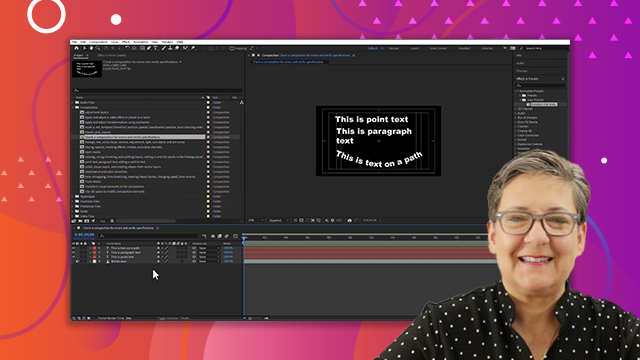
[00:00:00] all right moving on we have the title
[00:00:00] actions safe zones or areas
[00:00:00] you know this is becoming less and less
[00:00:00] important as years go by and we change
[00:00:00] how we're consuming the media but it's
[00:00:00] still relevant this has to do with
[00:00:00] overscanned or what all that this means
[00:00:00] is that there are some monitors that
[00:00:00] show more pixels than others right and
[00:00:00] if you want to make sure that everything
[00:00:00] that is important in your video say text
[00:00:00] logos Etc show up in everybody's monitor
[00:00:00] then you need to stay Within These safe
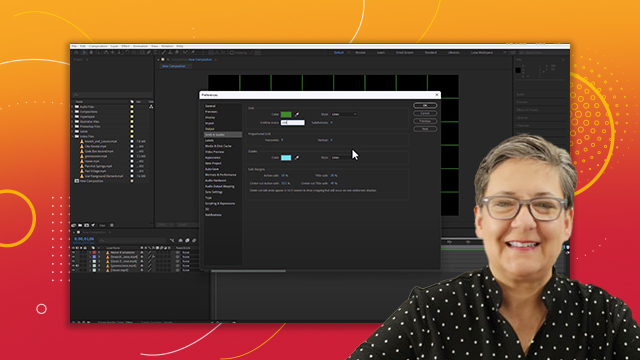
[00:00:00] action and title zones and you see the
[00:00:00] action and title safe areas in here
[00:00:00] those are those two rectangles the
[00:00:00] outside rectangle is going to mean the
[00:00:00] safe action area and the inside one is
[00:00:00] the safe text area
[00:00:00] image and video resolution I have a
[00:00:00] problem with these words you know
[00:00:00] resolution doesn't really exist in video
[00:00:00] because resolution is a term that
[00:00:00] implies pixels per inch or dots per inch
[00:00:00] so it's really more a print term than
[00:00:00] anything else I prefer the term frame
[00:00:00] size which is how many pixels you have
[00:00:00] across by how many pixels you have down
[00:00:00] not resolution having said that it's a
[00:00:00] losing battle for me because everybody
[00:00:00] calls it resolution so a resolution of
[00:00:00] 1920x1080 right that would be HD or uh
[00:00:00] 4K
[00:00:00] etc etc so the resolution is defined as
[00:00:00] the area of an image's pixels in After
[00:00:00] Effects you set this frame size I'm
[00:00:00] gonna call it how I like it frame size
[00:00:00] is really width times height so 1920 by
[00:00:00] 1080 and you see it displayed in this
[00:00:00] graphic very very easy
[00:00:00] moving on pixels so a pixel would be
[00:00:00] considered like the molecule of the
[00:00:00] image when you put all the pixels
[00:00:00] together right then you you see the
[00:00:00] image that's what we're counting when we
[00:00:00] talk about frame size or resolution
[00:00:00] right so 1920 by 1080 what pixels so
[00:00:00] it's the smallest part in which you can
[00:00:00] divide the image pixels are single color
[00:00:00] you cannot have a pixel that is two
[00:00:00] colors which is why the more pixels you
[00:00:00] have the more different colors you can
[00:00:00] represent and the image is considered to
[00:00:00] be better so they say hey a high
[00:00:00] resolution image is better than a low
[00:00:00] resolution image and that's very
[00:00:00] subjective right because a high
[00:00:00] resolution image only has more pixels
[00:00:00] all right moving on rendering rendering
[00:00:00] or image synthesis is the process of
[00:00:00] generating a photorealistic or
[00:00:00] non-photorealistic image from a 2d or 3D
[00:00:00] model by means of a computer program
[00:00:00] so the resulting image here is going to
[00:00:00] be called the render like you render a
[00:00:00] 3D model right you can see it all right
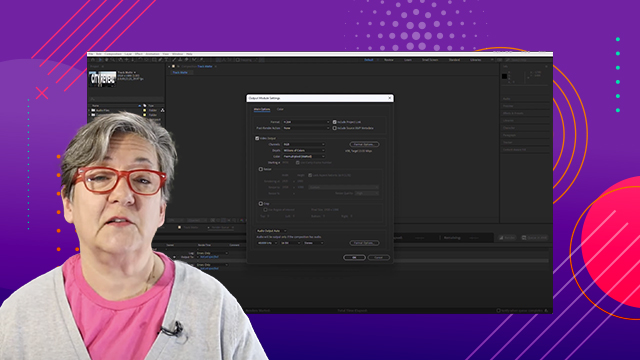
[00:00:00] moving on let's talk about rendering uh
[00:00:00] saying hey let me export this video and
[00:00:00] in here you see a picture of the export
[00:00:00] settings from Adobe Media encoder from
[00:00:00] Premiere Pro and therefore after effects
[00:00:00] uses as well and you can use this to
[00:00:00] render your image out so for example you
[00:00:00] can render something so that you don't
[00:00:00] need after effects to watch it you can
[00:00:00] render something so you don't need
[00:00:00] Premiere Pro to watch it so that's it
[00:00:00] can play on its own then you render it
[00:00:00] into a movie a separate movie All Right
[00:00:00] Moving on let's talk about monitoring
[00:00:00] audio monitoring it's a term used in
[00:00:00] audio production that refers to
[00:00:00] listening and analyzing the musical and
[00:00:00] Technical aspects of the sound being
[00:00:00] created
[00:00:00] that's all monitoring audio I'm
[00:00:00] listening to the audio
[00:00:00] now let's move on to 1.4 B this is
[00:00:00] objective 1.4 B demonstrate knowledge of
[00:00:00] how color is represented in digital
[00:00:00] video so we're going to talk about you
[00:00:00] know white balance bit depth working
[00:00:00] color spaces so RGB CMYK that sort of
[00:00:00] thing and we're also going to talk about
[00:00:00] choosing the right color space all right
[00:00:00] let's get to it white balance
[00:00:00] most of us know what white balance is
[00:00:00] our eyes get accustomed to the different
[00:00:00] color lights very very easily but
[00:00:00] cameras are not that smart so basically
[00:00:00] you tell the camera hey this is white
[00:00:00] and then all of the other colors get
[00:00:00] adjusted automatically you can also do a
[00:00:00] white balance by color temperature you
[00:00:00] know like right now in my studio the
[00:00:00] color temperature that I have my white
[00:00:00] balance set at is 4200 degrees Kelvin or
[00:00:00] 4200 K and that is a little bit on the
[00:00:00] cooler side of things but that's okay
[00:00:00] because that's how my lights are
[00:00:00] so white balance can be done in in post
[00:00:00] as well you uh you could take a little
[00:00:00] eyedropper click on something that is
[00:00:00] white and all of the other colors get
[00:00:00] adjusted automatically all right moving
[00:00:00] on bit depth is the number of bits used
[00:00:00] to represent each pixel in an image most
[00:00:00] of the time we work in eight bits per
[00:00:00] Channel although more and more people
[00:00:00] are working 16 bits per channel so it's
[00:00:00] uh binary so bits binary and that just
[00:00:00] has to do with how how many shades of a
[00:00:00] particular color we can have
[00:00:00] um you know I'm gonna give you the more
[00:00:00] uh deep explanation even if it makes
[00:00:00] this a little bit lengthier uh so
[00:00:00] imagine you have three flashlights one
[00:00:00] is red one is green one is blue right
[00:00:00] and you're pointing at the same point in
[00:00:00] space so yeah white wall or whatever
[00:00:00] right say at nothing lens if you only
[00:00:00] have on and off switches in these
[00:00:00] flashlights you have a one bit color
[00:00:00] depth so the lights can be on or off so
[00:00:00] boom or nothing on or nothing and you
[00:00:00] have three flashlights so that's two
[00:00:00] possibilities per flashlight that's two
[00:00:00] plus uh times two times two right so two
[00:00:00] times two four times two eight you have
[00:00:00] the possibilities of eight colors
[00:00:00] when you have something that is eight
[00:00:00] bits per Channel what you mean is that
[00:00:00] you have a flashlight that has a dimmer
[00:00:00] with 256 stops because it's 2 to the
[00:00:00] eighth power right so that's 256 so
[00:00:00] that's zero all the way up to 255.
[00:00:00] and because you can have now
[00:00:00] 256 possibilities of intensity on each
[00:00:00] one of the flashlights then you have 256
[00:00:00] times 256 times 256 and that gives you
[00:00:00] that gives you the possibility of around
[00:00:00] 17.6 or 0.8 something like that millions
[00:00:00] of colors that is possible for you to
[00:00:00] have in your work 16 bits per Channel
[00:00:00] you can just imagine it's like it was an
[00:00:00] explosion because it's more numbers than
[00:00:00] my little brain can imagine and now
[00:00:00] we're getting into the quadrillions in
[00:00:00] the let's not even count those numbers
[00:00:00] it's a lot so the higher the bit depth
[00:00:00] the more colors you can represent in
[00:00:00] your image
[00:00:00] that was a long explanation for that
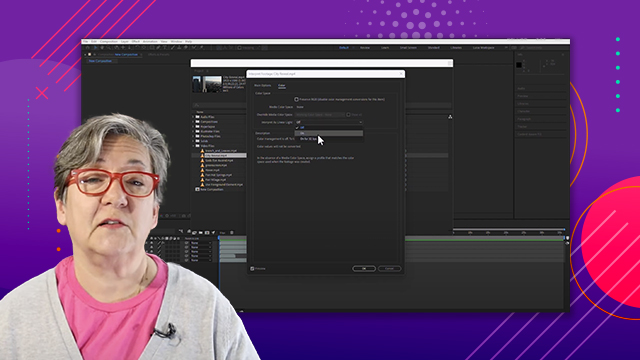
[00:00:00] wasn't it all right working color spaces
[00:00:00] RGB is what we were talking about those
[00:00:00] are light colors red green and blue
[00:00:00] then you have CMYK cyan magenta yellow
[00:00:00] and black
[00:00:00] those are usually ink colors right so
[00:00:00] pigment one is called additive because
[00:00:00] when you put all the lights together at
[00:00:00] its maximum you get white right that
[00:00:00] would be RGB and the other one is
[00:00:00] considered subtractive because when you
[00:00:00] put all the inks together at their Max
[00:00:00] you get black in reality you get a murky
[00:00:00] Brown thing but
[00:00:00] let's just say you get black so one is
[00:00:00] called additive the other one is called
[00:00:00] subtractive and then you have things
[00:00:00] like yuv uh which is what we use in
[00:00:00] broadcast television so that is Luma
[00:00:00] chroma blue chroma red and uh that
[00:00:00] represents the channels yub then hls
[00:00:00] which is Hue luminance and saturation so
[00:00:00] a color space is a specific organization
[00:00:00] of colors it's a useful conceptual tool
[00:00:00] for understanding the color capabilities
[00:00:00] of a particular device the color space
[00:00:00] of this coated the color space of this
[00:00:00] camera can only do you know X Y or Z
[00:00:00] there are different color spaces that we
[00:00:00] can work and shoot in and
[00:00:00] um the flat log or logarithmic is
[00:00:00] becoming more and more popular and the
[00:00:00] reason for that is because it gives you
[00:00:00] more stumps of luminance so uh um the
[00:00:00] problem is that our monitors televisions
[00:00:00] Etc are mostly a color space called Rec
[00:00:00] 709 that's what you're watching right
[00:00:00] now you're watching Rec 709 and when you
[00:00:00] put logarithmic inside of Rec 709 then
[00:00:00] the colors look flat it looks kind of
[00:00:00] like dead not too contrasty you know the
[00:00:00] colors are like blah
[00:00:00] being a technical term
[00:00:00] um so usually to take it from flat or
[00:00:00] logarithmic to rec 709 you make use of
[00:00:00] something called a lot which is a lookup
[00:00:00] table more on that later
[00:00:00] alrighty so different color spaces
[00:00:00] depending on how you shoot and how
[00:00:00] you're working you're the most common
[00:00:00] ones will be flat or logarithmic Rec 709
[00:00:00] which is what you're watching right now
[00:00:00] or Rec 2020 which would be like the HDR
[00:00:00] or high uh definition range right so
[00:00:00] those would be kind of the most
[00:00:00] important ones and yes after effects
[00:00:00] supports all of these color spaces
[00:00:00] all right let's talk about 1.4 C which
[00:00:00] is understand and use key terms related
[00:00:00] to video and audio post and some of
[00:00:00] these key terms include let's just start
[00:00:00] with editing video editing is the
[00:00:00] manipulation and arrangement of video
[00:00:00] shots I mean we all know what video
[00:00:00] editing is cut what you don't want put
[00:00:00] it in the order that you want boom
[00:00:00] you're done render it boom deliver
[00:00:00] so continuing we have transitions our
[00:00:00] video transitions are a post-production
[00:00:00] technique used in film or video editing
[00:00:00] to connect one shot to the other
[00:00:00] often
[00:00:00] just a cut is used but I'm sure you've
[00:00:00] seen Star Wars you've seen all of those
[00:00:00] uh um films that have different
[00:00:00] Transitions and
[00:00:00] um you know you can do all of those in
[00:00:00] After Effects or even in Premiere Pro
[00:00:00] all right audio levels which are
[00:00:00] measured usually in decibels or DB and
[00:00:00] zero in digital would be the maximum so
[00:00:00] nothing can go past zero and broadcast
[00:00:00] quality is going to be like -12 uh or or
[00:00:00] broadcast limits
[00:00:00] um there are other broadcast
[00:00:00] institutions that measure in loafs lksf
[00:00:00] etc etc
[00:00:00] um so the noise floor is going to be the
[00:00:00] silence and then the maximum is going to
[00:00:00] be the you know the maximum value in
[00:00:00] decibels of your audio waveforms
[00:00:00] represent the shape and form of the
[00:00:00] sound so it's how you visually see the
[00:00:00] sound inside of After Effects and in
[00:00:00] Premiere Pro
[00:00:00] effects visual effects which are
[00:00:00] sometimes abbreviated as VFX is the
[00:00:00] process in which imagery is created or
[00:00:00] manipulated outside of the context of a
[00:00:00] live action shot so it's something that
[00:00:00] is added in post the effect you know the
[00:00:00] explosion the smoke the whatever it is
[00:00:00] the integration of live action footage
[00:00:00] and other live-action footage or CGI or
[00:00:00] computer Graphics images elements to
[00:00:00] create realistic imagery is called in
[00:00:00] the industry VFX
[00:00:00] and this brings us to the end of this
[00:00:00] video so thanks for watching and I'll
[00:00:00] see you on the next one
[00:00:00] [Music]