Home > Layer visibility

Luisa Winters

Instructor and consultant for Adobe products

linkedin-icon

Layer visibility

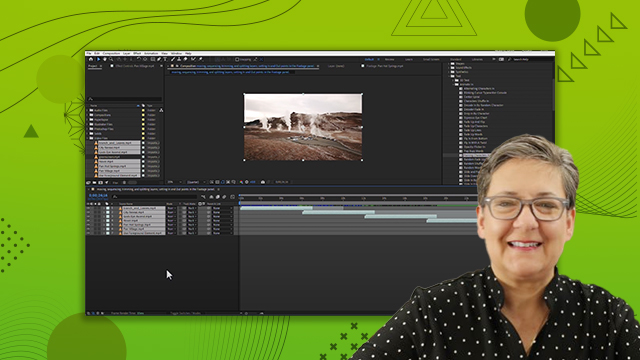
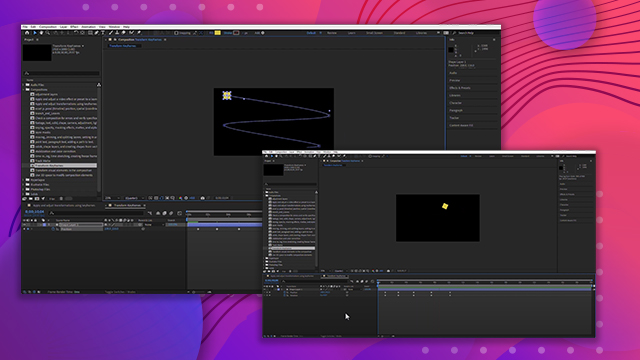
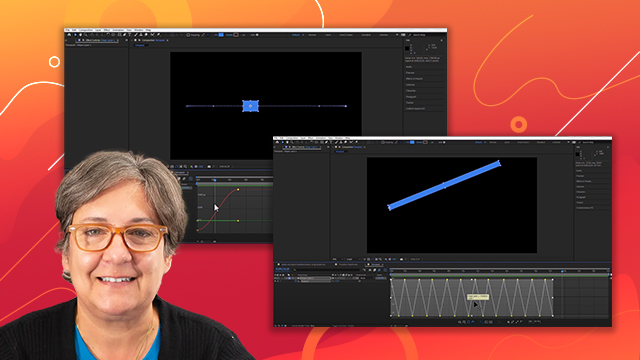
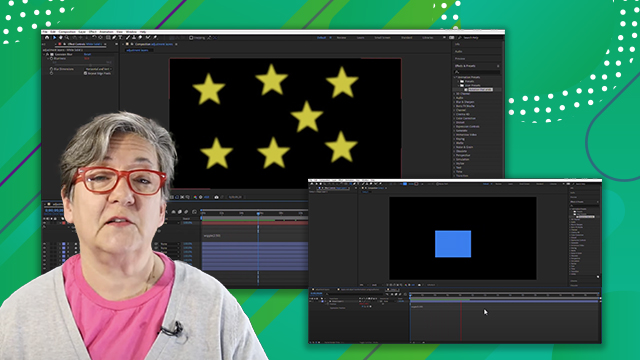
Learn how to modify layer visibility using opacity, blending modes, track mattes, and masks.

This summary is AI generated

Learning Outcomes:

  • Adjust layer visibility in After Effects
  • Utilize blending modes effectively
  • Keyframe opacity for dynamic effects

Level: Intermediate

Skills you'll gain:

After Effects, Layer Management, Blending Modes, Opacity

Key Insights

  • Use the eyeball icon to hide/show layers.
  • Shy layers to declutter the timeline.
  • Blending modes affect how layers interact visually.
  • Shortcut for blending modes: Shift + Plus key.
  • Opacity can be animated using keyframes.
  • Solo layers to focus on specific elements.
  • Toggle switches to access blending modes.
  • Reset transform properties for clean adjustments.
  • Use black solids with blending modes for effects.
  • Keyframe interpolation can be set to bezier for smoother animations.
Learning outcomes

  • Adjust layer visibility in After Effects
  • Utilize blending modes effectively
  • Keyframe opacity for dynamic effects

Key insights

  • Use the eyeball icon to hide/show layers.
  • Shy layers to declutter the timeline.
  • Blending modes affect how layers interact visually.
  • Shortcut for blending modes: Shift + Plus key.
  • Opacity can be animated using keyframes.
  • Solo layers to focus on specific elements.
  • Toggle switches to access blending modes.
  • Reset transform properties for clean adjustments.
  • Use black solids with blending modes for effects.
  • Keyframe interpolation can be set to bezier for smoother animations.
Skills

After Effects, Layer Management, Blending Modes, Opacity

Transcript

[00:00:00] [Music]

[00:00:00] thank you

[00:00:00] [Music]

[00:00:00] hello and welcome to this after effects

[00:00:00] certification preparation series of

[00:00:00] videos I'm Louisa Winters in this video

[00:00:00] I want to talk about objective

[00:00:00] 3.2 a which is to adjust the layers

[00:00:00] visibility we're going to talk about

[00:00:00] hiding and showing layers soloing a

[00:00:00] layer shying a layer we're also going to

[00:00:00] talk about blending notes and opacity

[00:00:00] and I get it we have talked about this

[00:00:00] in previous movies but this time we're

[00:00:00] going to properly cover it all right

[00:00:00] let's get to it in After Effects let's

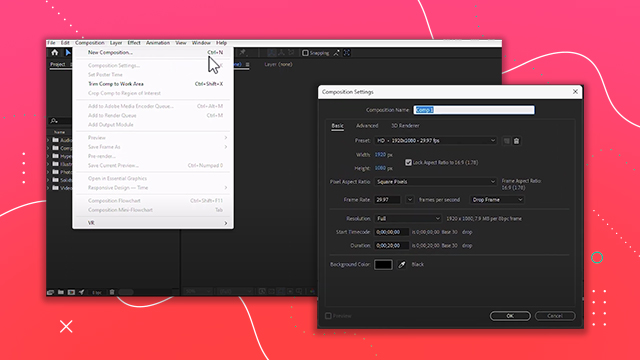
[00:00:00] go ahead and create a new composition

[00:00:00] Ctrl n command n

[00:00:00] and I'll name it visibility

[00:00:00] you can name it anything you want I'm

[00:00:00] going to leave the defaults in here

[00:00:00] because it doesn't really matter and I'm

[00:00:00] just going to add some

[00:00:00] say three video files in here these

[00:00:00] three files

[00:00:00] all right and it doesn't matter the

[00:00:00] length or anything like that it doesn't

[00:00:00] matter right now

[00:00:00] so the first thing is hiding the layer

[00:00:00] so we already talked about this eyeball

[00:00:00] right if you click on the eyeball for

[00:00:00] the layer you can make it visible and

[00:00:00] invisible

[00:00:00] you can also make the layer shy in other

[00:00:00] words if I want to see it here in the

[00:00:00] comp panel but not in the timeline I can

[00:00:00] make it shy so remember this is a switch

[00:00:00] that you turn on here at the layer level

[00:00:00] and also at the composition level see it

[00:00:00] right now this layer has disappeared

[00:00:00] from the timeline but it's still visible

[00:00:00] here so you know we can show them all

[00:00:00] I'm gonna make them all a little bit

[00:00:00] smaller and I'll just move them like yay

[00:00:00] so you can see this a little bit better

[00:00:00] and I'll make him shy again boom so it

[00:00:00] disappears from the timeline now I have

[00:00:00] no layers in the timeline but they're

[00:00:00] still visible in the comp panel remember

[00:00:00] this is how most templates ship

[00:00:00] most templates that you buy from any

[00:00:00] company are going to have a ton of

[00:00:00] hidden layers or shy layers in this

[00:00:00] fashion so if you want to modify them

[00:00:00] hey just click here boom you see them

[00:00:00] you can on shy them and voila you got it

[00:00:00] so another thing that we can change is

[00:00:00] blending modes and blending modes is

[00:00:00] simply how one layer

[00:00:00] interacts or blends with the layers

[00:00:00] under it so this is from the top down so

[00:00:00] if I create a solid which is control y

[00:00:00] on Windows command y on the Mac and then

[00:00:00] I make this I don't know kind of like

[00:00:00] um

[00:00:00] beige yellowish a little bit darker

[00:00:00] maybe like that

[00:00:00] I can now change the blending mode of

[00:00:00] that layer

[00:00:00] and I can change the appearance of my

[00:00:00] clips

[00:00:00] dissolve

[00:00:00] dance in dissolve that is not doing

[00:00:00] anything but see it darken

[00:00:00] multiply and you know we can keep on

[00:00:00] clicking like that but in reality we

[00:00:00] don't have to this shortcut Works in

[00:00:00] Photoshop as well shift

[00:00:00] and then the plus sign on your main

[00:00:00] keyboard and just go through all of the

[00:00:00] blending modes until you find one that

[00:00:00] you like

[00:00:00] one of the things that I really like

[00:00:00] doing is having a black solid

[00:00:00] a black solid and I will add to that a

[00:00:00] lens flare so effect generate

[00:00:00] lens flare

[00:00:00] I'm gonna Center the flare to here

[00:00:00] and I'm going to reduce its brightness

[00:00:00] to about yay and I get it it's not

[00:00:00] perfectly centered but that's okay I can

[00:00:00] now keyframe the position of this to you

[00:00:00] know to whatever right so I can go start

[00:00:00] it here then go here then go here and

[00:00:00] then go there and I I forgot it's

[00:00:00] default into linear so actually let me

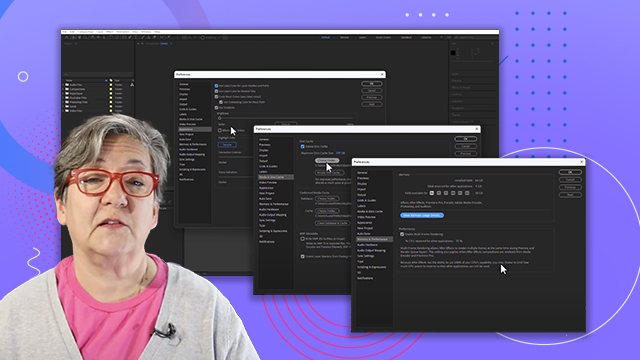
[00:00:00] address that uh edit preferences

[00:00:00] General

[00:00:00] and once this preferences open up it

[00:00:00] defaults the special interpolation to

[00:00:00] linear I don't want that I want it to

[00:00:00] default to bezier

[00:00:00] so in other words with curves so I'm

[00:00:00] going to start here again and I'm gonna

[00:00:00] move here and I'm going to move it here

[00:00:00] oh it's not giving me curves okay fine

[00:00:00] I'll create the curves myself

[00:00:00] and there you go

[00:00:00] all right so

[00:00:00] I'm just going to create my curves that

[00:00:00] way

[00:00:00] because I really like it a little bit

[00:00:00] curvier right and this is what I have

[00:00:00] and uh instead of animating the flare

[00:00:00] Center this gives me a different

[00:00:00] animation but you can say hey but Luisa

[00:00:00] come on now you have a black a black

[00:00:00] layer that is just covering everything

[00:00:00] change the blending mode to screen

[00:00:00] and that disappears and all you're left

[00:00:00] with is a lens player that you can

[00:00:00] animate however you want this is a

[00:00:00] different kind of lens flare animation

[00:00:00] that if I animated the flare Center

[00:00:00] all right so don't forget that blending

[00:00:00] modes and there are many other things

[00:00:00] that you can have for example I'm Gonna

[00:00:00] Keep just one of them and I'm going to

[00:00:00] um

[00:00:00] reset the scale and in fact I'm going to

[00:00:00] reset all of the transform properties

[00:00:00] right

[00:00:00] I'm going to duplicate that layer

[00:00:00] controller command D and now I'm going

[00:00:00] to change the blending mode of the top

[00:00:00] one see it

[00:00:00] let me make this a little bit bigger

[00:00:00] that one is multiply

[00:00:00] I can keep on going

[00:00:00] and it's just giving me a different

[00:00:00] characteristics of the video so once you

[00:00:00] get used to it I mean it starts becoming

[00:00:00] really really really really cool so you

[00:00:00] know

[00:00:00] I really like it with multiply

[00:00:00] all right it just gives it a little bit

[00:00:00] more

[00:00:00] um if you will it's hard to describe

[00:00:00] it's like more contrasting more

[00:00:00] saturated so all right so blending modes

[00:00:00] if you don't see the blending modes

[00:00:00] don't forget to click on toggle switches

[00:00:00] and modes if you don't see it still

[00:00:00] right click the column header go to

[00:00:00] columns and make sure that you go to

[00:00:00] modes alrighty let's talk about opacity

[00:00:00] opacity so I'm just going to have one

[00:00:00] layer here and I'm going to just go over

[00:00:00] opacity so t for opacity that's the

[00:00:00] shortcut and the reason is the letter T

[00:00:00] is because opacity used to be called

[00:00:00] transparency so p p notice how I can

[00:00:00] make this visible and invisible

[00:00:00] all right so I can change the opacity of

[00:00:00] my layer over time by keyframing or

[00:00:00] simply just having this layer say be

[00:00:00] semi-transparent and I can put uh you

[00:00:00] know another one underneath and then you

[00:00:00] get that ghostly effect I mean if that's

[00:00:00] what you want right I don't want that so

[00:00:00] all right so opacity can be keyframe

[00:00:00] we're going to talk about keyframe in

[00:00:00] another movie so opacity blending modes

[00:00:00] uh you can make the layer shy you can

[00:00:00] show it or not show it by clicking on

[00:00:00] the eyeball so different ways of uh

[00:00:00] playing with the opacity of your layer

[00:00:00] all right about the last thing I want to

[00:00:00] talk about is solo and we talked about

[00:00:00] this but I want to make sure that we

[00:00:00] cover it I want to make really sure that

[00:00:00] we cover this so I'm gonna go and open

[00:00:00] from my compositions the footage you

[00:00:00] know the the same composition that that

[00:00:00] we've been working with if I want to see

[00:00:00] only the star I don't want to see any of

[00:00:00] the other layers I can click on this

[00:00:00] here and it hides all of the other

[00:00:00] layers and it shows me only the star

[00:00:00] I can solo more than one layer I can say

[00:00:00] hey you know what I want to show the

[00:00:00] star and the text

[00:00:00] and there you have it I can now soloing

[00:00:00] two of them as soon as I click on those

[00:00:00] uh click them off then I see all of the

[00:00:00] other layers all right okay so I think

[00:00:00] this takes me to the end of this video

[00:00:00] thank you for watching and I'll see you

[00:00:00] on the next video

[00:00:00] [Music]

[00:00:00] thank you

Explore Other Tutorials