Home > Working in the motion graphics industry part 3

Luisa Winters

Instructor and consultant for Adobe products

linkedin-icon

Working in the motion graphics industry part 3

Identify the intellectual property rights, permissions, and licensing needed for using content.
This summary is AI generated

Learning Outcomes:

Learning outcomes not available.

Level: Intermediate

Skills you'll gain:

Skills not available.

Key Insights

Key insights not available.

Learning outcomes

Learning outcomes not available.

Key insights

Key insights not available.

Skills

Skills not available.

Transcript

[00:00:00] [Music]

[00:00:00] thank you

[00:00:00] [Music]

[00:00:00] hello and welcome to this after effects

[00:00:00] certification preparation video I'm

[00:00:00] Louisa Winters

[00:00:00] we are here on objective 1.3 which is

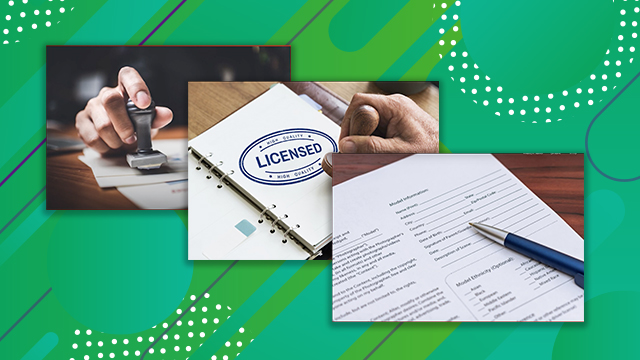
[00:00:00] two identify legal and ethical

[00:00:00] considerations for using third-party

[00:00:00] content what does that mean you didn't

[00:00:00] shoot it somebody else did can you use

[00:00:00] it and if yes how can you obtain the

[00:00:00] actual permission so that's what we're

[00:00:00] going to talk about we're going to talk

[00:00:00] about Creative Commons

[00:00:00] and these icons please remember the

[00:00:00] icons please remember the icons so

[00:00:00] Creative Commons is an American

[00:00:00] non-profit organization and

[00:00:00] international Network devoted to

[00:00:00] educational access and expanding the

[00:00:00] range of creative Works available for

[00:00:00] others to build upon legally and to

[00:00:00] share so creative comments see see it's

[00:00:00] icon right here public domain is almost

[00:00:00] self-explanatory right it's in public

[00:00:00] domain you can use it the symbol is just

[00:00:00] like the copyright symbol with the light

[00:00:00] the line through it indicating hey there

[00:00:00] is no copyright because it's in public

[00:00:00] domain then you have copyright this is a

[00:00:00] type of intellectual property that gives

[00:00:00] its owner the exclusive right to do

[00:00:00] whatever

[00:00:00] to do whatever the owner then you have

[00:00:00] intellectual property is a category of

[00:00:00] property that includes the intangible

[00:00:00] Creations uh so trademarks patents uh

[00:00:00] trade secrets that sort of thing that's

[00:00:00] all part of intellectual property and in

[00:00:00] fact there's so much that there is a

[00:00:00] section of law just called the IP or

[00:00:00] intellectual property law and several

[00:00:00] lawyers practice just IP law derivative

[00:00:00] work in copyright law a derivative work

[00:00:00] is an expressive creation that includes

[00:00:00] major copywritable elements of an

[00:00:00] original previously created first work

[00:00:00] it's like if you take somebody else's

[00:00:00] work and then you build on top of it

[00:00:00] commercial use you're gonna make money

[00:00:00] with it so I want to license your

[00:00:00] picture for commercial use or I want to

[00:00:00] license your picture for non-commercial

[00:00:00] purposes right so it could be a PSA

[00:00:00] Public Service announce announcement or

[00:00:00] educational or for something that is not

[00:00:00] really going to bring me any money so

[00:00:00] not for commercial use attribution is

[00:00:00] the action of ascribing a work or remark

[00:00:00] to a particular author artist or person

[00:00:00] it's like yes I am attributing this to

[00:00:00] you because you created it in other

[00:00:00] words just kind of like giving credit

[00:00:00] right then you have work for hire

[00:00:00] so this one doesn't really have an icon

[00:00:00] and not that I could find anyway so it a

[00:00:00] work for hire is you were hired to do

[00:00:00] this particular job do you own the

[00:00:00] copyright to it well it depends I'm not

[00:00:00] a lawyer I'm just telling you work for

[00:00:00] hire just simply means that there are

[00:00:00] some types of work in which you can't

[00:00:00] claim ownership of it because you were

[00:00:00] paid to do that right so then you have

[00:00:00] fair use Fair dealing this is kind of

[00:00:00] like a weird icon but then you see f as

[00:00:00] in fair use and then you know these are

[00:00:00] terms that relate to situations where

[00:00:00] using an artistic work doesn't require

[00:00:00] permission because it's fair use for

[00:00:00] example you know this is like the

[00:00:00] classic example I am going to talk about

[00:00:00] a movie and I want to talk about a

[00:00:00] particular scene for educational

[00:00:00] purposes or whatever right so I'm

[00:00:00] commenting on it

[00:00:00] um well I have to show part of it so I

[00:00:00] don't own it I didn't shoot it it

[00:00:00] doesn't belong to me but it would be

[00:00:00] okay for me to use it if I'm giving a

[00:00:00] review using it for satire whatever it

[00:00:00] is all right so so I'm not a lawyer I'm

[00:00:00] not giving legal advice or any kind of

[00:00:00] advice legal or not or otherwise all

[00:00:00] right so I'm just talking about what's

[00:00:00] on the test all right this brings us to

[00:00:00] the end of this video thanks for

[00:00:00] watching and see you on the next one

[00:00:00] [Music]

Explore Other Tutorials